Schedule a comprehensive evaluation
A clinical review and a precise digital scan are the first steps toward a tailored aligner plan. Your clinician will outline the expected progression and answer questions about treatment mechanics and timing.
New Patients
Existing Patients
Call Today

Invisalign® offers a contemporary, low-profile method for aligning teeth using a series of custom clear aligners. Built around digital planning and removable appliances, this approach lets many people achieve meaningful tooth movement with fewer visual cues than traditional brackets and wires. The goal is to straighten teeth while keeping treatment as unobtrusive as possible for daily life.
Clear aligner therapy relies on a sequence of bespoke trays crafted from transparent, medical-grade thermoplastic. Each tray is designed to produce small, controlled tooth movements so that, over time, the smile shifts toward an intended alignment. Because the trays are nearly invisible when worn, many patients choose this option for aesthetic reasons as well as comfort.
What sets modern aligner systems apart is the combination of detailed digital records and iterative manufacturing. Instead of relying on manual adjustments alone, clinicians plan the entire progression of movement in advance using three-dimensional models of the teeth. This level of planning helps map out predictable stages and anticipate how the bite will respond at each step.
While the mechanics are scientific, the patient experience is straightforward: replace aligners on a prescribed schedule, maintain good oral hygiene, and keep routine follow-up visits. The result is a treatment path that emphasizes convenience and discretion without sacrificing clinical control.
Digital scanning and computer-assisted treatment planning are central to modern aligner therapy. A precise digital scan captures the exact position of teeth and gums, creating a virtual model that clinicians use to design each phase of movement. From that model, a sequence of aligners is fabricated so that each one nudges the teeth slightly closer to the desired outcome.
Clinicians can simulate tooth movement and evaluate different strategies before a single aligner is produced. This foresight allows for fine-tuning attachments, staging complex movements, and coordinating aligner wear with other necessary dental care. The planning process also provides a visual roadmap patients can review, helping set clear expectations about the sequence and length of treatment.
Importantly, digital planning supports adjustments as treatment progresses. Regular check-ups let the dental team confirm that teeth are tracking as predicted and make midcourse corrections when needed. This combination of upfront planning and ongoing oversight helps deliver more consistent, reliable outcomes.
One of the strongest practical benefits of clear aligners is their removability. Because trays are taken out for eating and for thorough brushing and flossing, patients can maintain oral hygiene more easily than with fixed braces. This can reduce the likelihood of complications such as plaque buildup during treatment.
To achieve planned results, adherence to the recommended wearing schedule is essential. Clinicians typically advise wearing aligners for most of the day and night, removing them only for meals and cleaning. Consistent wear maximizes the effectiveness of each tray and keeps treatment on schedule.
Cleaning and care for aligners is simple: rinse them regularly, brush them gently with a non-abrasive cleanser, and store them in their case when not in use. With a few daily habits, patients can keep aligners clear and comfortable while protecting dental health throughout treatment.
Clear aligner therapy is widely effective for mild to moderate alignment issues, including spacing, crowding, and certain bite irregularities. It is a versatile tool that many clinicians use as part of comprehensive orthodontic care, especially for adult patients and image-conscious teens.
More complex movements or severe jaw discrepancies sometimes require a hybrid approach. In such cases, aligners can be combined with other dental procedures or orthodontic techniques to achieve the desired result. Your dental team will evaluate overall oral health, tooth positions, and jaw relationships to determine the most appropriate strategy.
Before beginning treatment, a careful clinical exam is important. That assessment ensures that underlying conditions like gum disease or untreated cavities are addressed first, creating a stable foundation for predictable orthodontic movement. Following active treatment, retention protocols—typically involving retainers—help protect the investment in a newly aligned smile.
Initial visits begin with an evaluation and digital scan so we can create an individualized plan tailored to your smile. During this consultation, clinicians review the digital model, discuss realistic goals, and explain what progress will look like over time. This collaborative planning helps patients understand the anticipated sequence and commitment involved.
After the plan is approved, a customized set of aligners is produced. Each aligner is worn for a set period, then replaced by the next in the series to gently shift teeth along the planned path. Periodic in-office reviews allow the dental team to monitor tracking and make adjustments if necessary to keep treatment aligned with clinical objectives.
When active alignment is complete, a retention phase preserves the improvements. Retainers—designed to hold teeth in their new positions—are an important final step to help ensure long-term stability. Throughout the process, clinicians focus on comfort, efficiency, and patient education so each person feels confident and informed about their care.

A clinical review and a precise digital scan are the first steps toward a tailored aligner plan. Your clinician will outline the expected progression and answer questions about treatment mechanics and timing.

We’ll walk through a staged simulation that illustrates how your teeth will move. This preview helps set realistic expectations and allows for collaborative decision-making about treatment goals.
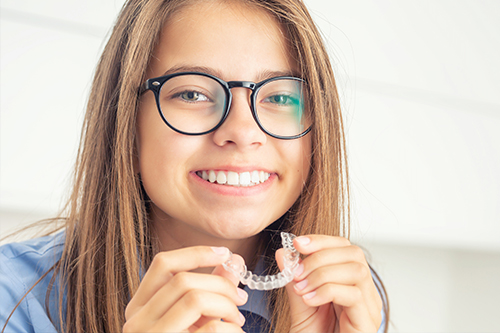
Each aligner is manufactured according to the planned sequence and is designed for comfort and precise fit. Small attachments or features may be used as needed to guide specific movements.

From the first set of aligners through treatment completion, your clinician remains engaged with periodic reviews and guidance, ensuring that progress stays on track and that you feel supported.
Short informational videos that demonstrate aspects of the treatment process and technology in practice
*Invisalign® is a registered trademark of Align Technology, Inc.
At iSmile Dental Group, we prioritize careful planning and clear communication so patients understand what to expect from aligner therapy. If you’re considering straightening your teeth with clear aligners, contact us for more information and to arrange a consultation. Our team is happy to explain the process and help determine whether Invisalign® is a fit for your goals.
1151 Bethel Rd Suite, #301
Columbus, OH 43220
Existing Patients: (614) 459-3229
New Patients: (614) 328-8033
There are many options for patients who want to avoid metal braces! The most popular alternative orthodontic treatment is Invisalign®, which are clear plastic aligners designed to straighten teeth. After an examination of your teeth, your dentist will determine which option is best suited to your wants and needs.
According to the Invisalign® website, the cost for treatment is approximately the same as the cost for metal braces. A portion of this cost may be covered by your insurance. Please call us to set up a consultation and discuss potential payment plan options.
The first step is to schedule a consultation with your doctor, so they can devise a treatment plan that is best suited to your individual dental needs. Once approved, you will receive your first set of aligners. Your doctor will then regularly monitor the movement of your teeth and new aligners will be ordered according to the progress made in your treatment plan.
Invisalign® aligners are made of clear, flexible plastic. The company received a patent for this material – SmartTrack® – to be used exclusively for Invisalign treatment purposes. These aligners are FDA approved and nearly invisible!
Your doctor will give you an estimate regarding how long your Invisalign® treatment should take, which will depend on your specific needs. The average length of time for treatment is approximately 12-18 months. However, some patients may see results far sooner. Remember to wear your aligners exactly as instructed by your doctor to obtain the best results.
Your doctor will most likely recommend that you wear retainers following your Invisalign® treatment. This is a precaution that will prevent your teeth from shifting back to their original positioning. It is important to follow your doctor's instructions exactly to ensure long-lasting results.
You must wear your aligners for up to 22 hours daily. You may remove them for eating, drinking and regular oral hygiene.
No. Unlike braces, you may eat whatever you like as long as you remove the aligners before eating. Prior to placing the aligners back on, it is important to brush your teeth and the aligners after you eat.
Like any orthodontic treatment, there is a short adjustment period. The more you speak with the aligners on, the quicker you will adjust.
There will be some pressure and minor discomfort for a day or two after each initial insertion. This is a sign that your teeth are moving sequentially into their final position.
It is recommended that you remove your aligners prior to chewing gum as the gum will stick to the aligners.
We discourage smoking with aligners as the cigarette smoke will tend to discolor them.
Brushing them with toothpaste will keep them fresh and clean.
Regular office visits are every five to six weeks. This will ensure that your Invisalign treatment is progressing as planned.
All orthodontic patients are instructed to wear their retainers at night indefinitely. Sleeping with your retainers in at night will ensure a healthy bite and maintain the new position of your teeth.
Yes, if their teeth, including second molars, have grown in completely.