Immediate Dental Care When Minutes Matter
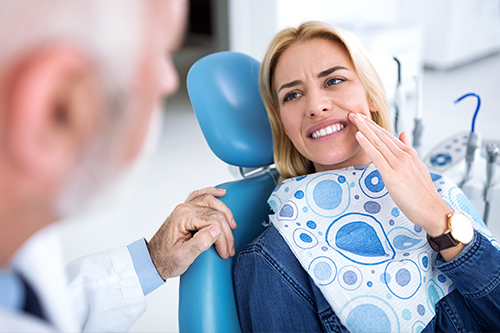
Dental emergencies are stressful and often painful, and knowing where to turn can make a big difference in your outcome. Whether you’re dealing with a sudden, severe toothache, a broken tooth, or a knocked-out restoration, prompt evaluation reduces the risk of long-term damage and helps relieve pain quickly. Our approach is built around fast, focused assessments that prioritize safety, comfort, and clear next steps.
When an oral emergency happens, timing matters. Quick intervention can preserve tooth structure, limit infection, and reduce the need for more invasive treatments later. We assess the situation, control pain and swelling, and outline treatment options tailored to the specific problem and your overall oral health. This reduces uncertainty and gives you a clear path toward recovery.
Many people assume emergency dental care is only for catastrophic injuries, but urgent care covers a wide range of issues — from sudden tooth pain that wakes you at night to partial crown failures or swelling that suggests infection. Recognizing these problems early and seeking care promptly helps protect your smile and your general health. At iSmile Dental Group, we aim to be a reliable resource when you need rapid, professional attention.
Urgent Conditions We Treat and How to Recognize Them
Some dental problems are unmistakable: a tooth that’s been fractured, a crown that comes off, or severe bleeding after an injury. Others can be subtler but just as urgent, such as persistent throbbing, localized swelling, or an unusual lump or sore inside the mouth. If you experience sudden changes in sensation, increasing pain, or difficulty chewing or swallowing, those are signals to seek prompt care.
We routinely manage a broad spectrum of urgent oral health concerns. Typical conditions include toothaches caused by infection or trauma, chipped or broken teeth, abscesses, loose or lost restorations, problematic wisdom teeth causing acute pain, and soft-tissue infections or lesions. Severe gum swelling or bleeding that doesn’t respond to home care also warrants professional evaluation.
Knowing what to watch for can make a practical difference: worsening pain, fever, visible pus, spreading facial swelling, trouble breathing or swallowing, or a tooth that has been completely dislodged are all red flags. These signs suggest an escalating problem that may require immediate attention to prevent more serious complications.
- Toothaches
- Chipped or fractured teeth
- Abscesses
- Loose or broken fillings
- Dislodged or lost dental crowns
- Broken, ill-fitting, or lost dentures
- Problematic wisdom teeth
- Acute periodontal problems
- Loose or broken down teeth
- Swollen, bleeding gums
- Bacterial, viral, or fungal infections affecting the tongue, cheeks, gums, lips, or other soft tissues of the mouth
- Oral pain or swelling of unknown origin
- Suspicious bumps, spots, and lesions
What Happens During an Emergency Visit
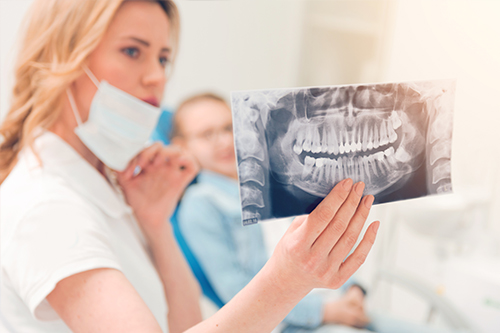
The first step in any urgent dental appointment is a focused intake and examination. We begin by listening to your symptoms and recent history, then perform a targeted clinical exam to identify the source of pain or dysfunction. When appropriate, we will use imaging to get a clear picture of what's happening beneath the surface and to guide treatment decisions.
Pain control and infection management are immediate priorities. Depending on the situation, this may include local anesthesia to ease discomfort, medications to reduce swelling or fight infection, and measures to stabilize damaged teeth or restorations. Our goal is to get you comfortable and safe before moving on to definitive care.
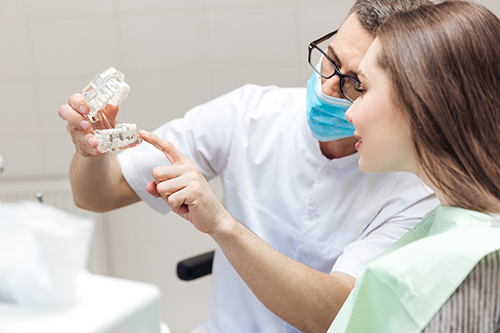
Treatment options vary by diagnosis and range from minor repairs like fillings or bonding to more involved procedures such as crowns, root canal therapy, or extractions when a tooth cannot be saved. We focus on preserving your natural tooth whenever possible and discuss restorative or replacement options when necessary. Every plan is explained in plain language so you can make informed choices about your care.
Recovery, Follow-Up, and Restoring Function
After the initial emergency treatment, a thoughtful follow-up plan ensures the best long-term outcome. Short-term recovery often involves simple at-home care instructions: managing discomfort with recommended medications, following a soft-food diet as needed, maintaining gentle oral hygiene near the affected area, and attending any scheduled follow-up visits to monitor healing.
If a tooth is irreparably damaged and must be replaced, modern restorative options provide durable, natural-looking results. Dental implants are widely recognized for their longevity and ability to restore chewing function and facial support; other solutions include fixed bridges and partial or complete dentures depending on your needs. We evaluate each patient's situation and recommend approaches that balance function, aesthetics, and oral health.
Monitoring healing is essential. Signs that warrant a return visit include increasing pain, spreading swelling, fever, persistent drainage, or any unexpected changes in the treated area. Timely follow-up allows us to address complications early and adjust treatment to support a smooth recovery.
Practical Steps to Reduce Risk and Be Prepared
Prevention and preparation can lessen the impact of dental emergencies. Use protective gear such as mouthguards for sports, avoid chewing hard or non-food items that can fracture teeth, and maintain regular dental checkups to catch vulnerabilities before they become crises. Good daily hygiene helps reduce the risk of decay and gum disease, which are common sources of urgent problems.
When an emergency does occur, a few practical actions can help preserve tissue and increase the chance of saving a tooth: gently rinse the mouth with warm water, apply a cold compress to reduce swelling, and retrieve any broken tooth fragments if possible. If a tooth has been knocked out, keep it moist—ideally in milk or saliva—and seek immediate dental care, as prompt re-implantation offers the best chance of saving the tooth.
For families and caregivers, preparing a simple dental emergency kit and knowing the nearest dental office hours can remove stress when an incident happens. While some situations require hospital-level attention—such as severe facial trauma, uncontrolled bleeding, or breathing difficulties—most urgent dental problems are best managed by a dental team equipped to diagnose and treat oral-specific conditions.
At iSmile Dental Group, our priority is responsive, professional care delivered with compassion and clear communication. If you or a family member experiences an oral emergency, contact our office to learn about next steps and available appointment options. We are here to help you get prompt relief and a plan for restoring long-term oral health.